

We have all been there. You ate well at the owambe, maybe too well, and now your waistband is tight and your stomach feels like a balloon. Or a few days have passed and things simply are not moving the way they should.
Two supplements come up again and again in these conversations: fiber and probiotics. They are often mentioned together, but they do quite different jobs. Here is how to tell which one might suit you, and when neither is the answer.
Bloated vs backed up: not the same thing
Bloating is that full, tight, gassy feeling, sometimes with a visibly swollen tummy. It can be triggered by large meals, eating quickly, fizzy drinks, certain foods like beans or cabbage, hormones around your period, or stress.
Being backed up, or constipated, means going less often than usual, or stools that are hard, dry or difficult to pass. Low fiber intake, not drinking enough water, inactivity, travel, some medications and pregnancy are common reasons.
The two can overlap. Constipation often makes you feel bloated too. But the distinction matters, because fiber mainly helps with regularity, while probiotics are more about the balance of bacteria in your gut.
How fiber supplements work
Fiber is the part of plant food your body cannot fully digest. Soluble fiber absorbs water and forms a soft gel or dissolves completely, which helps make stools softer and easier to pass. Some types also feed the friendly bacteria in your gut, which is why you will see “prebiotic” on some labels.
Most adults eat far less fiber than recommended. A fiber supplement is a convenient way to close part of that gap, especially on busy days when vegetables are scarce.
Benefiber vs Metamucil vs Equate ~ side by side
| Benefiber Daily Prebiotic Fiber (Unflavored) | Metamucil Psyllium Fiber (Orange, Real Sugar) | Equate Clear Soluble Fiber | |
|---|---|---|---|
| Type of fiber | Wheat dextrin (soluble, prebiotic) | Psyllium husk (soluble, gel-forming) | Soluble fiber; a store-brand alternative designed to compare with Benefiber |
| Texture and taste | Dissolves clear, no taste or grit | Thickens as it sits; orange flavour | Dissolves clear, very mild |
| How to take | Stir into water, tea, coffee, juice or soft foods | Mix into a full glass of water and drink straight away | Stir into drinks or soft foods |
| Best for | A gentle, easy daily fiber top-up | People who mainly want support with regularity | A budget-friendly daily top-up |
| Things to note | Made from wheat; check the label if you have coeliac disease or a wheat allergy | This version contains sugar; take other medicines at least 2 hours apart | Check the label for the fiber source if you avoid wheat |
In short: if you want something invisible you can add to your morning tea without thinking about it, Benefiber or Equate Clear are easy choices. If regularity is your main goal, psyllium (Metamucil) is one of the most studied fiber types for that purpose, though its thicker texture takes some getting used to.
What probiotics actually do
Probiotics are live microorganisms, usually types of friendly bacteria, that can support the natural balance of your gut when taken in adequate amounts.
Here is what is worth knowing:
- Strains matter. Different strains have been studied for different things. Results from one strain do not automatically apply to another.
- The evidence is mixed but interesting. Research suggests certain strains may help some people with bloating and general digestive comfort, and with digestion during and after a course of antibiotics. Other studies show little effect.
- Give it time. If you try one, take it consistently for about four weeks before deciding whether it helps you.
- They are not a laxative. If constipation is your main issue, fiber, water and movement are usually a more direct first step.
Fiber and probiotics also work nicely together. Prebiotic fiber feeds the friendly bacteria; probiotics add to them. Many people use both.
And if you simply want something warm and soothing after a heavy meal, many people enjoy a cup of ginger tea.
Shop the post ~


Start slow and drink water
This is the most common mistake with fiber. People start with a full dose on day one, feel gassy and bloated, and give up. Ironically, adding fiber too fast can cause the very bloating you were trying to avoid.
- Start with half a serving (or less) a day for the first week.
- Increase gradually over one to two weeks, up to the label serving.
- Drink plenty of water through the day. Fiber needs water to work, and without it, it can make constipation worse. Psyllium in particular must be taken with a full glass of water.
- Space it from medications. Fiber can affect how some medicines are absorbed, so take them a couple of hours apart unless your doctor says otherwise.
- Skip psyllium if you have trouble swallowing, and talk to your doctor first.
Food first: Nigerian fiber heroes
Supplements are handy, but your kitchen is the best place to start. Many Nigerian foods are excellent fiber sources:
- Beans. Ewa agoyin, moi moi, akara, beans porridge. Some of the best fiber sources around. If they make you gassy, start with smaller portions and build up.
- Oats. A warm bowl in the morning gives you soluble fiber. Top with banana or groundnuts.
- Ugu and other leafy greens. Load up your efo riro, edikang ikong and vegetable soups.
- Unripe plantain. Boiled, roasted or in porridge. It contains resistant starch, a type of carbohydrate that behaves a lot like fiber in the gut.
- Fruit. Pawpaw, oranges (eat the pulp, not just the juice), guava, mango, pineapple, and watermelon for hydration.
- Whole grains and others. Brown rice, whole wheat bread, garden egg, okra and sweet potatoes with the skin on.
Pair this with regular movement (even a short walk after meals helps), eating slowly, and going when you feel the urge rather than holding it in.
When to see a doctor
Occasional bloating or a slow few days is common. But please see a doctor promptly, rather than trying more supplements, if you notice:
- Blood in your stool, or black, tarry stools
- Weight loss you cannot explain
- A change in your bowel habits that lasts more than a few weeks
- Severe or persistent belly pain, or a swollen, hard belly
- Vomiting, fever, or being unable to pass wind or stool
- Constant tiredness or signs of anaemia, such as unusual paleness or breathlessness
- A family history of bowel cancer or inflammatory bowel disease
If you are pregnant, take regular medication, or have a long-term condition such as diabetes or kidney disease, check with your doctor or pharmacist before starting fiber or probiotic supplements.
Shop gut support
Ready to try? Here are some options in stock now, each with its expiry date on the listing. More in our supplements section.
Shop the post ~
-
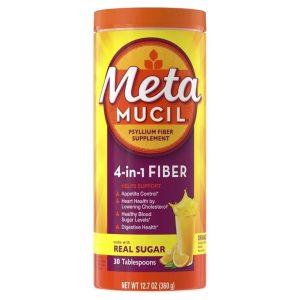
Metamucil Fiber Supplement, Psyllium Husk Fiber Powder, Real Sugar, Orange Smooth Drink, 30 Servings
₦31,000.00 Add to cart -
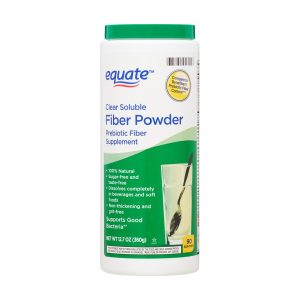
Equate Clear Soluble Fiber Powder, 12.7 oz, Compare to Benefiber® Prebiotic Fiber Content
₦30,000.00 Add to cart -
Sale!

Spring Valley Women’s Probiotic Dietary Supplement Vegetarian Capsules for Digestive Health, 30 Count
Original price was: ₦29,750.00.₦25,000.00Current price is: ₦25,000.00. Add to cart
Your gut does not need perfection. It needs consistency: fiber from food, a supplement if it helps, plenty of water, movement and a little patience. Start slow, listen to your body, and get checked if something does not feel right.